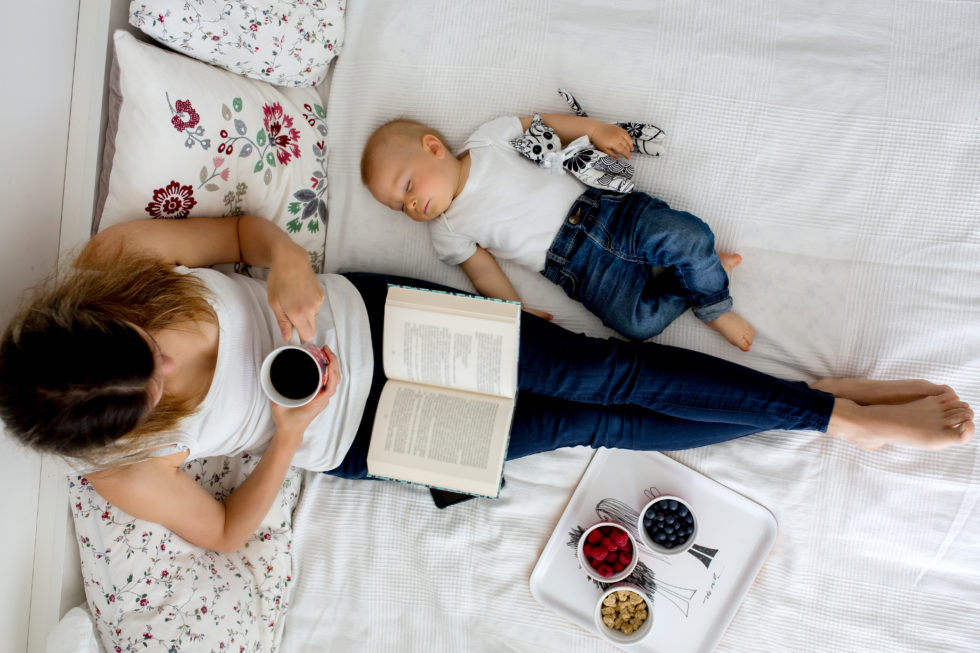
Just how much should a stay at home mother make?
Get ready, it’s a big number. A stay at home mom should make over $162,000. According to a recent survey by salary.com, the average stay at home mother should earn $162,581 to be exact.
How was a stay at home Mom salary it calculated?
The average stay at home mother works 90+ hours per week and has a laundry list of jobs…literally.
The survey took into account a comparison of a typical in the life of a stay at home Mom. This would include things like cooking, cleaning, laundry, driving, and the list goes on and on and on.
Calculated down to the hour, stay at home moms should make over $30 per hour.
Working Mothers
Mothers who work and and handle the duties of a stay at home mother are fairly common in today’s society. Working a 40+ hour per week job and then having to work in the home creates an enormous amount of stress. The added stress and restrictions on time very little focus to self care and healing.
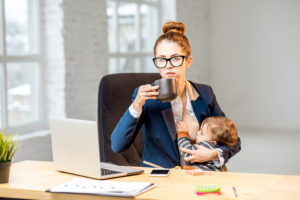
Effects of Being a Mother on Health
There are some serious effects of being a stay at home mother on health. For one, there is a severe amount of stress. These stressors include emotional stress, psychological stress, social stress and physical stress.
Stress is defined as a state of mental or emotional strain or tension resulting from adverse of very demanding circumstances. Stress is accompanied by predictable biochemical, physiological, and behavioral changes. Stress that isn’t handled properly can be linked to depression, anxiety, heart disease, diabetes, and cancer.

Stress can be categorized into 3 types.
- Acute Stress – the most common form of stress. It comes from demands and pressures of the recent past and anticipated demands and pressures of the near future. Acute stress is thrilling and exciting in small doses, but too much is exhausting. Examples of acute stress could be flying in an airplane, an argument with a spouse, or stubbing your toe.
- Episodic Acute Stress – similar to acute stress listed above but with multiple recurrences of acute stress. This would include things like getting the kids to school on time, doing laundry, taking on too much at work, and recurring headaches or neck pain.
- Chronic Stress – this comes with the most negative effects on a Mother’s health. Chronic is the response to emotional and physical pressure suffered for a prolonged period of time. Chronic stress triggers changes to the nervous system and effects aspects of the digestive system, endocrine system, immune system, respiratory system, circulatory system, and musculoskeletal system. Examples of chronic stress include poor eating habits, repetitive job activities such desk/computer work, and chronic neck pain from a car accident.

Reduce Stress
There are endless tips, tricks, supplements, exercises, and treatments for stress. Not all stress reducers are beneficial or healthy. Stress reducers such as drugs and alcohol may deliver short term stress reduction but come with detrimental health consequences that have been well established. Here are some healthy ways to reduce stress.
- Addressing Disorganization
Reducing stress starts internally in your brain with psychological tactics. One of the biggest stressors is disorganization. Disorganization creates chaos. Chaos leads to loss of control and psychological stress. If you can not reduce stress from internal chaos through organization, stress will manifest itself in many forms of your life and health.
One tip is to organize daily priorities early in your day. Prioritize daily things by levels or urgency. What needs to happen now, the short term, and long term. This will help you take more control of your schedule rather than it taking control of you.
- Daily Full Range of Motion Body Exercises
Daily full range of motion exercises keep tissues flexible, hydrated, elastic, and supple. Full range of motion exercises also improves circulation of blood, cerebrospinal fluid, and lymphatic fluid. All of these benefits allow for the opportunity to regenerate broken down tissue. Motion, especially to joints of the vertebral column, release endorphins and decrease cortisol which help the nervous system reduce internal stress. In other words, if you want to have a healthy brain, you must have a healthy functioning spine.
One tip is to take your neck and low back through all end ranges of motion if your spine is healthy enough for it. Link to video
- Sleep Enhancement
Sleeping is that time when your body has the ability to recharge our batteries, concentrate on repairing damaged tissue, clean out cellular debris, allow insulin levels to drop, and reduce our body’s compression from gravity (lying down). It is best to have uninterrupted sleep in complete darkness. This allows your body to get to the deepest phase of sleep called Random Eye Movement (REM) sleep. This is where the greatest healing and distressing benefits of rest occur.
One tip is to not be touched by light emitting diode light (LED) at least 1 hour before bedtime. LED lights excite the nervous system and make it more difficult to fall asleep quickly. Try replacing your bedroom lights with salt lamps that relax the nervous system before bed to help you fall asleep quicker.
- Diaphragmatic Breathing
Big belly breathing, otherwise known as diaphragmatic breathing, has been shown to improve attention, affect, and reduce cortisol levels. A study published in Frontiers in Psychology studied two groups of individuals. One group was trained on how to perform diaphragmatic breathing and the other group did not. In conclusion, the diaphragmatic breathing group results showed improvements in sustained attention, affect, and cortisol levels.
- Paraphysiological Body Motion
Big word but simple meaning so let’s break it down. The prefix “para” means above or outside just like in the words “paragraph” or “paraphrase.” The suffix “physiological” meaning how your body operates itself. In a nutshell, paraphysological body motion is moving your body beyond what you’re capable of. This type of motion allows neurons to fire that can’t be done alone to help relax the nervous system through the release of serotonin. It also keeps fluid motion throughout in the body of an ever aging body and can help reduce pain with certain conditions.
By definition this can’t be done alone and it if done improperly could damage ligaments, tendons, organs, bones, and nerves. An example of improper paraphysiological motion is when someone playing soccer dislocates their shoulder colliding with another player or spraining your ankle while buckling in high heels. Moving your body beyond your normal range of motion properly needs an external force such as an orthotic or traction device. Also, it needs a practitioner that specializes in increasing motion to the entire body through paraphysological motion or adjustments like a Chiropractor does.
One tip is to get evaluated by a specialist who has advanced training in proper motion and use recommended orthotic and traction devices.
Measuring Stress
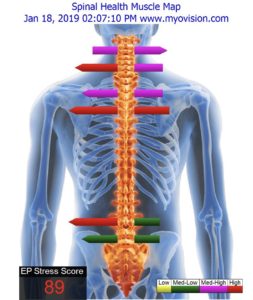
Quantifying stress is a difficult thing to do, especially physiological stress. One great way to measure stress is through your body’s physical reaction to stress. Stress indicators can be seen through a number of different tests. These tests include blood pressure, heart rate, respiratory rate, blood testing, and even x-rays show areas of spinal stress.
The reaction to stress starts in the nervous system and can manifest in the muscular system. Muscles are fairly simple because the main thing they can do is contract and relax. They do so when told to contract by the nervous system. Muscles help circulate blood and other body fluids, provide heat, maintain posture, and transmit information to the central nervous system. When muscles contract they give off microvolts of electricity that can be measured by very sensitive instruments. Common instruments that measure this electrical output are echocardiograms (EKG), electroencephalography (EEG), and spinal muscle static electromyography (sEMG).
Join Dr. Kelly Duffner of Family First Spine Center February 18th at 6:30pm for a stress management workshop at Wyoming Community Coffee. Learn techniques to help manage stress and reduce anxiety.